热带病与寄生虫学 ›› 2026, Vol. 24 ›› Issue (1): 13-18.doi: 10.20199/j.issn.1672-2302.2026.01.003

• 其他感染性腹泻防控专题 • 上一篇    下一篇

2005—2024年黑龙江省其他感染性腹泻流行特征与病原学分析

华华(), 包名家(), 王妍, 闫俊, 唐鹭   

  1. 黑龙江省疾病预防控制中心黑龙江哈尔滨 150036
  • 收稿日期:2025-12-31 出版日期:2026-02-20 发布日期:2026-03-31
  • 通信作者: 包名家,E-mail: 249101332@qq.com
  • 作者简介:华华,女,本科,副主任医师,研究方向:传染病控制。E-mail: huahua_0026@163.com

Epidemiological and pathogens characteristics of other infectious diarrhea in Heilongjiang Province from 2005 to 2024

HUA Hua(), BAO Mingjia(), WANG Yan, YAN Jun, TANG Lu   

  1. Heilongjiang Provincial Center for Disease Control and Prevention, Harbin 150036, Heilongjiang Province, China
  • Received:2025-12-31 Online:2026-02-20 Published:2026-03-31
  • Contact: BAO Mingjia, E-mail: 249101332@qq.com

摘要:

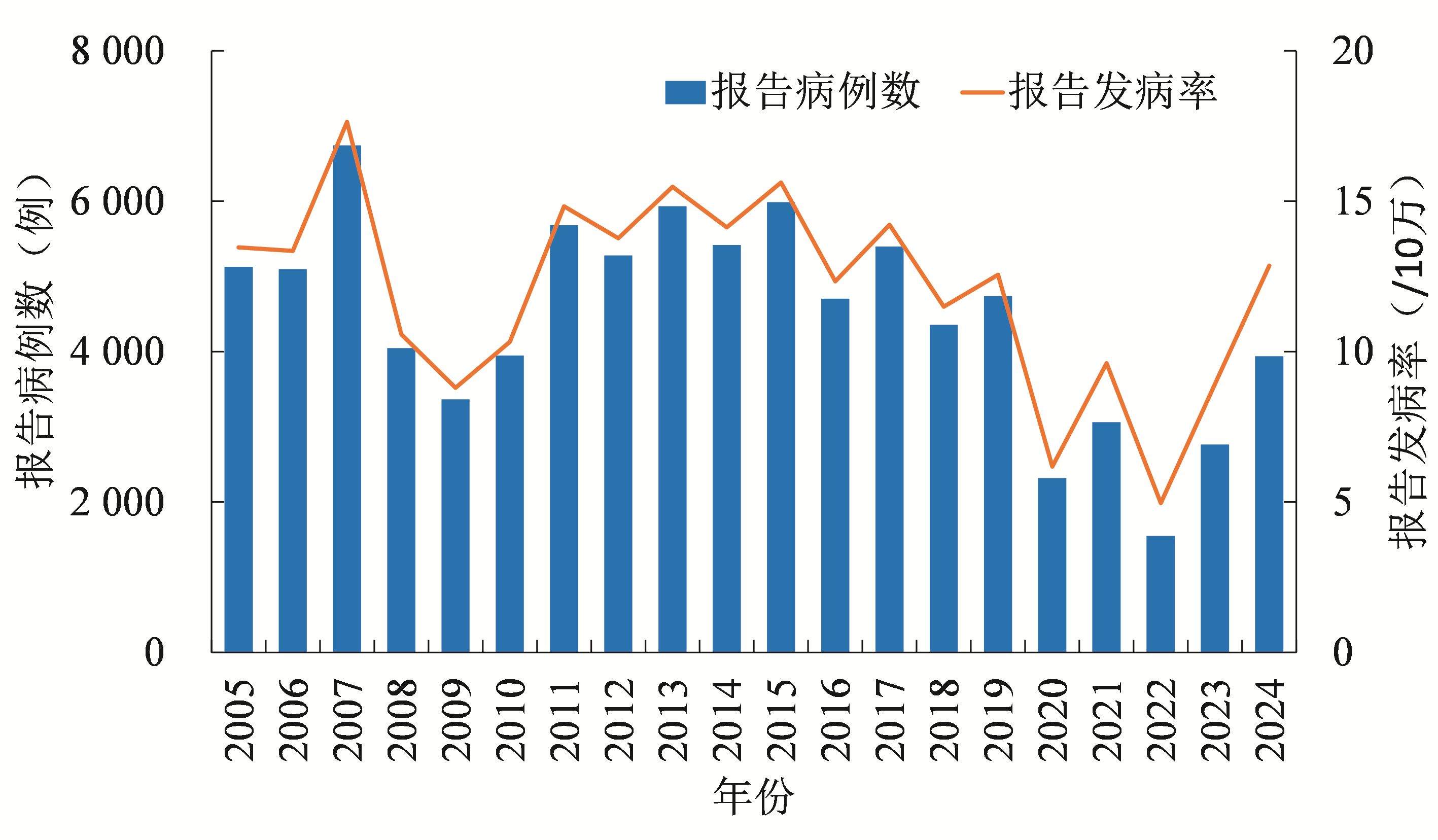
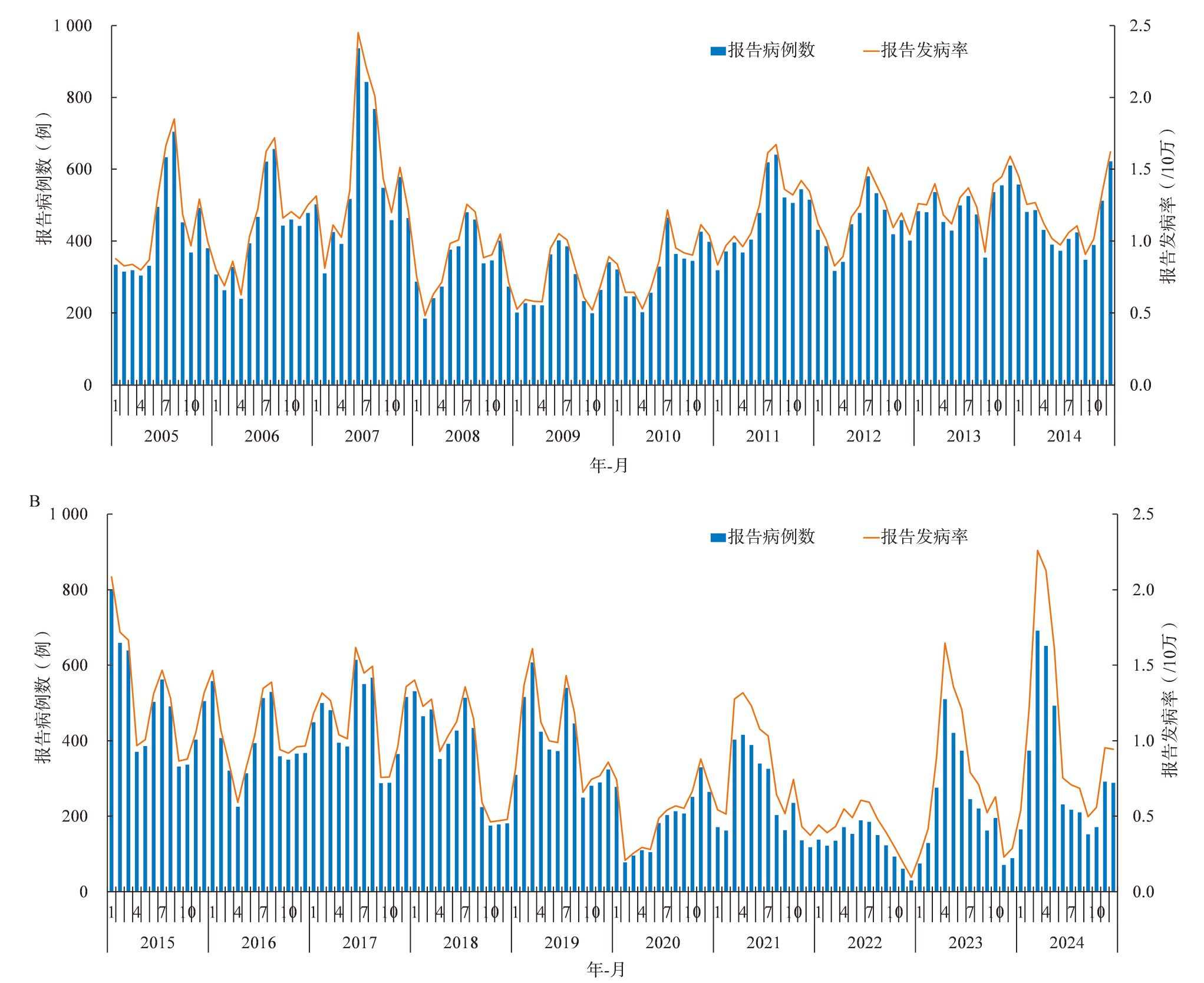
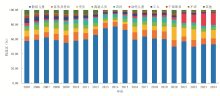
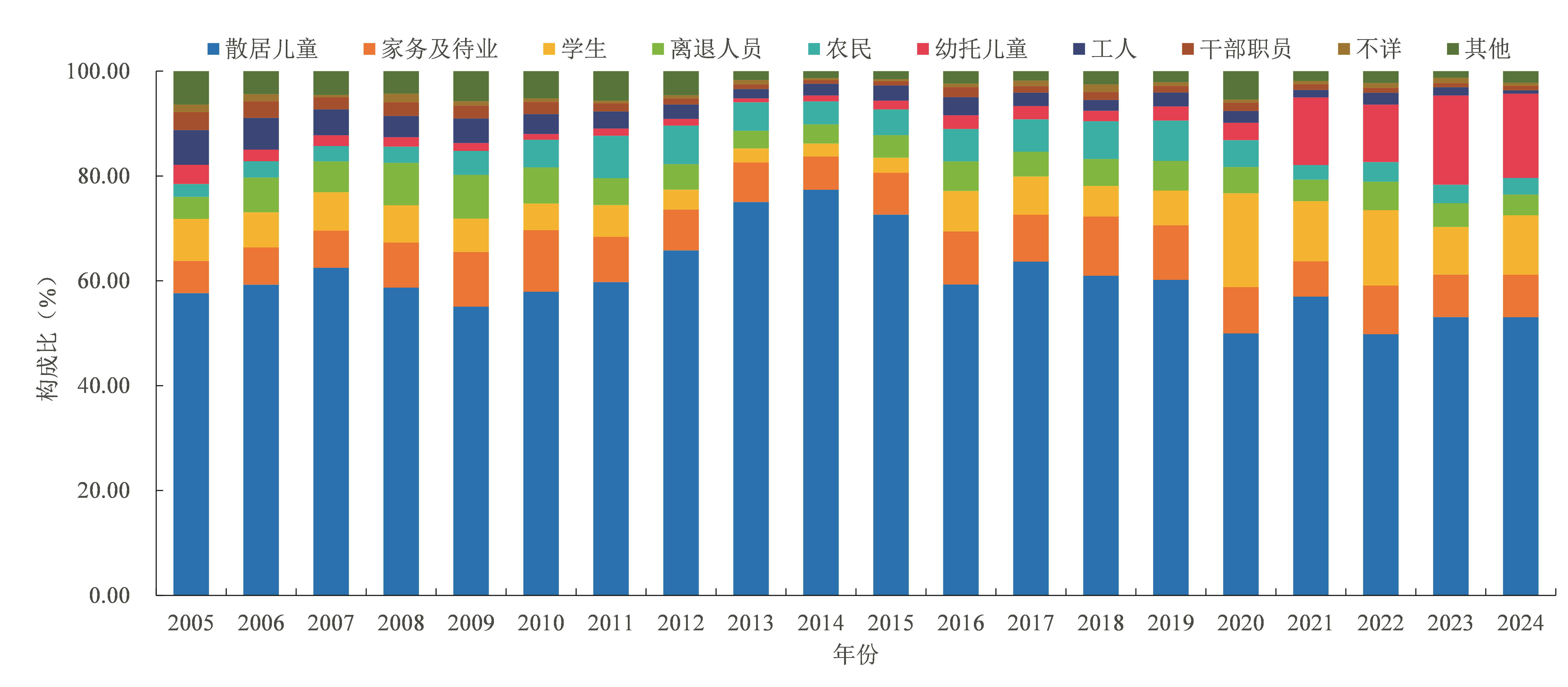
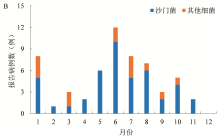
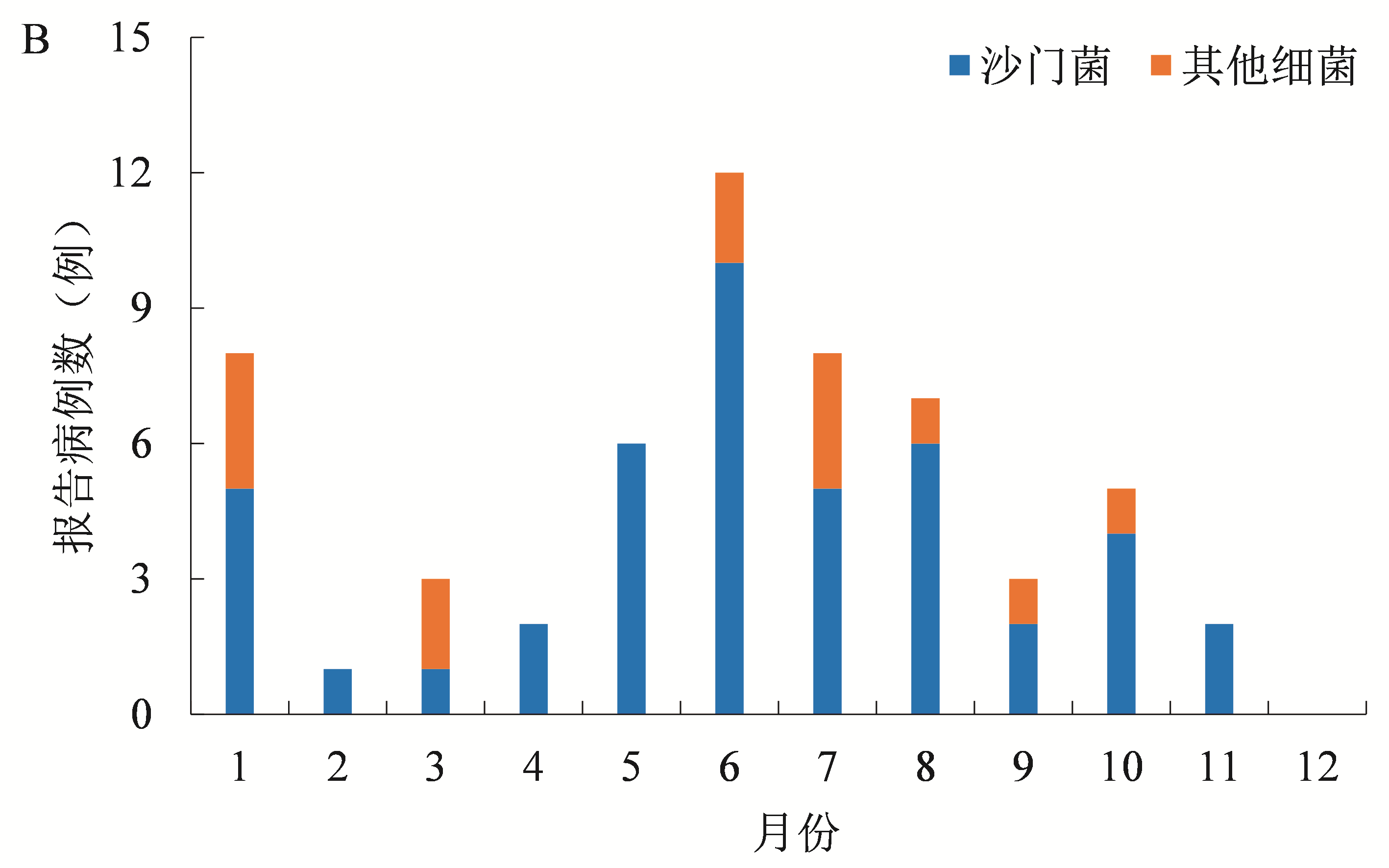
目的 分析黑龙江省其他感染性腹泻的流行与病原学特征,为制定防控措施提供科学依据。方法 通过中国疾病预防控制信息系统收集2005年1月—2024年12月黑龙江省的其他感染性腹泻病例及突发公共卫生事件资料,采用描述流行病学方法分析三间分布和病原学特征,应用Joinpoint软件计算平均年度变化百分比(average annual percent change, AAPC)以分析疾病变化趋势。结果 2005—2024年黑龙江省共报告其他感染性腹泻89 461例,年均报告发病率为12.06/10万,报告发病率呈下降趋势,AAPC(95%CI)为-2.40%(-4.80%~-0.30%)(t=-2.26,P<0.05),其中2007年发病率最高(17.64/10万),2022年最低(4.96/10万)。发病呈现2个流行高峰,主高峰由2005—2012年的6—8月(占33.17%,13 034/39 291)逐渐转为2023—2024年的3—4月(占31.76%,2 129/6 704)。全省不同地市间报告发病水平差异较大,年均报告发病率前3位为牡丹江市(26.90/10万)、鹤岗市(17.66/10万)、哈尔滨市(16.19/10万)。男性和女性报告病例数分别为52 717例和36 744例,年龄以5岁以下为主(占62.57%,55 980/89 461),职业以散居儿童为主(占62.08%,55 533/89 461)。明确病原体的病例共3 419例,其中病毒感染3 362例(占98.33%),细菌感染57例(占1.67%),诺如和轮状病毒为主要病原体,分别报告1 710例(占50.01%)和1 558例(占45.57%)。2005—2024年共报告30起其他感染性腹泻突发公共卫生事件,均由诺如病毒引起,其中28起(占93.33%)发生在学校/托幼机构。结论 2005—2024年黑龙江省其他感染性腹泻报告发病率变化总体呈下降趋势,但托幼儿童、学生人群发病占比呈上升趋势,应加强托幼机构、学校等重点场所的综合防控措施,降低疫情发生风险。

关键词: 其他感染性腹泻, 流行特征, 病原学, 黑龙江省

Abstract:

Objective To analyze the epidemiological and pathogens characteristics of other infectious diarrhea in Heilongjiang Province for scientific evidence to formulate prevention and control measures. Methods Surveillance data on other infectious diarrhea and public health emergencies in Heilongjiang Province from January, 2005 to December, 2024 were retrieved from the Chinese Disease Prevention and Control Information System. Descriptive epidemiology was used to analyze the epidemiological characteristics by time, region and population as well as the pathogenic spectrum. Software Joinpoint was applied to calculate the average annual percent change (AAPC) for analyzing the trend of the infection. Results A total of 89 461 cases of other infectious diarrhea were reported in Heilongjiang Province from 2005 to 2024, with an average annual reported incidence rate of 12.06 per 100 000 population. The reported incidence showed a downward trend, with AAPC (95%CI) of -2.40% (-4.80% to -0.30%) (t=-2.26, P<0.05). The incidence peaked in 2007 (17.64 per 100 000 population) and was the lowest in 2022 (4.96 per 100 000 population). Two epidemic peaks were observed, during which the peak incidence gradually shifted from June-August in 2005-2012(13 034/39 291; 33.17%) to March-April in 2023-2024(2 129/6 704; 31.76%). There were significant differences in the reported incidence among different prefecture-level cities across the province. The top three cities in average annual incidence were Mudanjiang (26.90 per 100 000), Hegang (17.66 per 100 000), and Harbin (16.19 per 100 000). Of the reported cases, 52 717 were males and 36 744 females. Children under 5 years old accounted for the majority of cases (55 980/89 461; 62.57%), and individual children living at home were the predominant occupation group (55 533/89 461; 62.08%). A total of 3 419 cases had confirmed pathogens, including 3 362 viral infections (98.33%) and 57 bacterial infections (1.67%). Norovirus and rotavirus were the dominant pathogens, with 1 710 cases (50.01%) and 1 558 cases (45.57%), respectively. In total, 30 public health emergencies of other infectious diarrhea were reported from 2005 to 2024, all caused by norovirus, of which 28 (93.33%) occurred in schools/kindergartens. Conclusion The overall incidence of other infectious diarrhea in Heilongjiang Province showed a downward trend from 2005 to 2024. However, the proportion of cases among kindergarten children and students presented an upward trend. Comprehensive prevention and control measures should be strengthened in the key settings such as kindergartens and schools to reduce the risk of outbreaks.

Key words: Other infectious diarrhea, Epidemiological characteristics, Pathogens, Heilongjiang Province

中图分类号: