热带病与寄生虫学 ›› 2026, Vol. 24 ›› Issue (1): 54-57.doi: 10.20199/j.issn.1672-2302.2026.01.010

• 临床研究 • 上一篇    下一篇

6例粪类圆线虫高度感染病例的临床特征

王亚娇1(), 张曼青1, 向群1, 吴娜2   

  1. 1 海南省公共卫生临床中心海南海口 570125
    2 海口市人民医院
  • 收稿日期:2025-06-23 出版日期:2026-02-20 发布日期:2026-03-31
  • 通信作者: 王亚娇,E-mail: bj571632@163.com
  • 作者简介:王亚娇,女,硕士,副主任医师,研究方向:传染病学。E-mail: bj571632@163.com

Clinical characteristics of Strongyloides stercoralis hyperinfection in 6 cases

WANG Yajiao1(), ZHANG Manqing1, XIANG Qun1, WU Na2   

  1. 1 Hainan Public Health Clinical Center, Haikou 570125, Hainan Province, China
    2 Haikou People’s Hospital
  • Received:2025-06-23 Online:2026-02-20 Published:2026-03-31
  • Contact: WANG Yajiao, E-mail: bj571632@163.com

摘要:

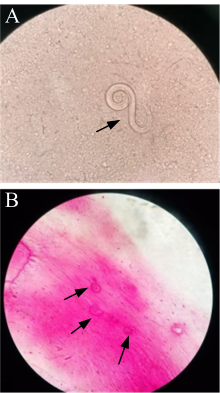
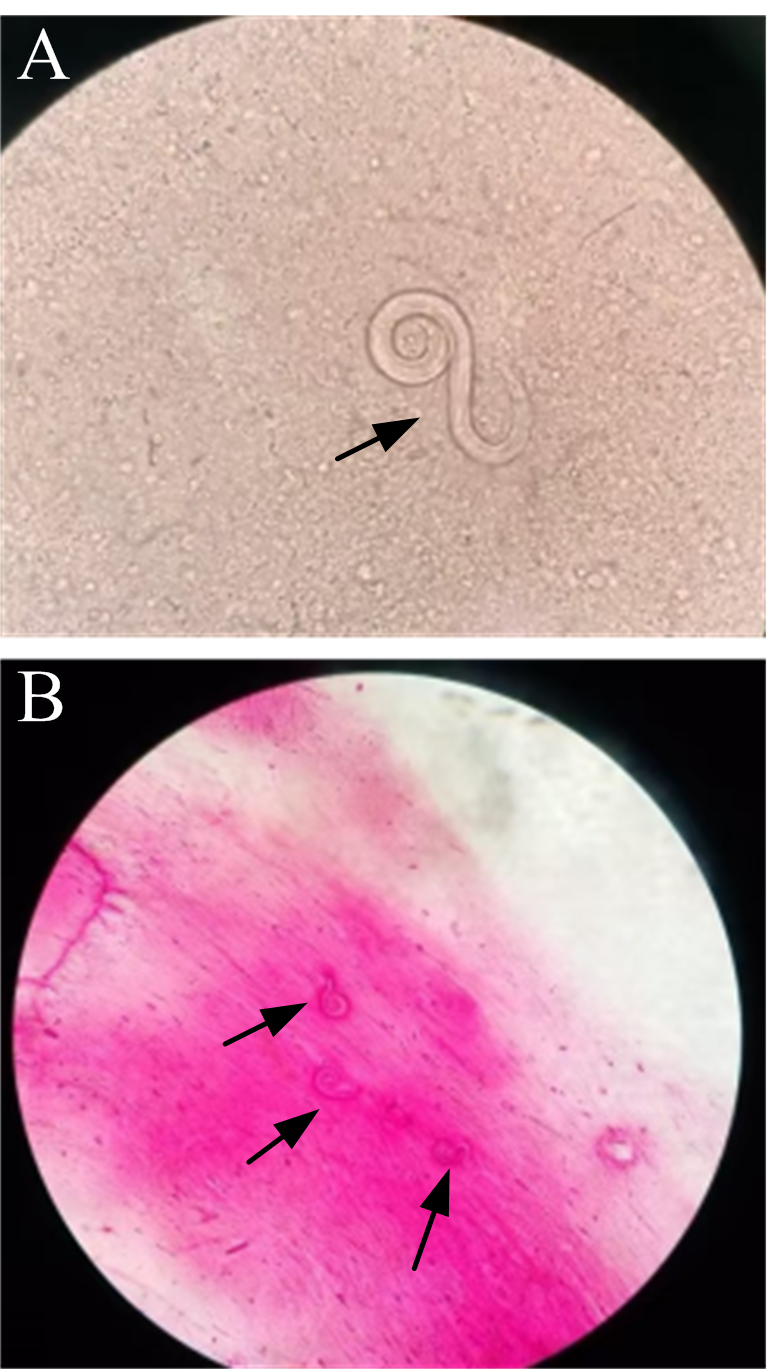
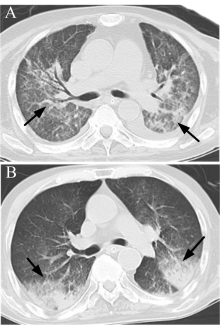
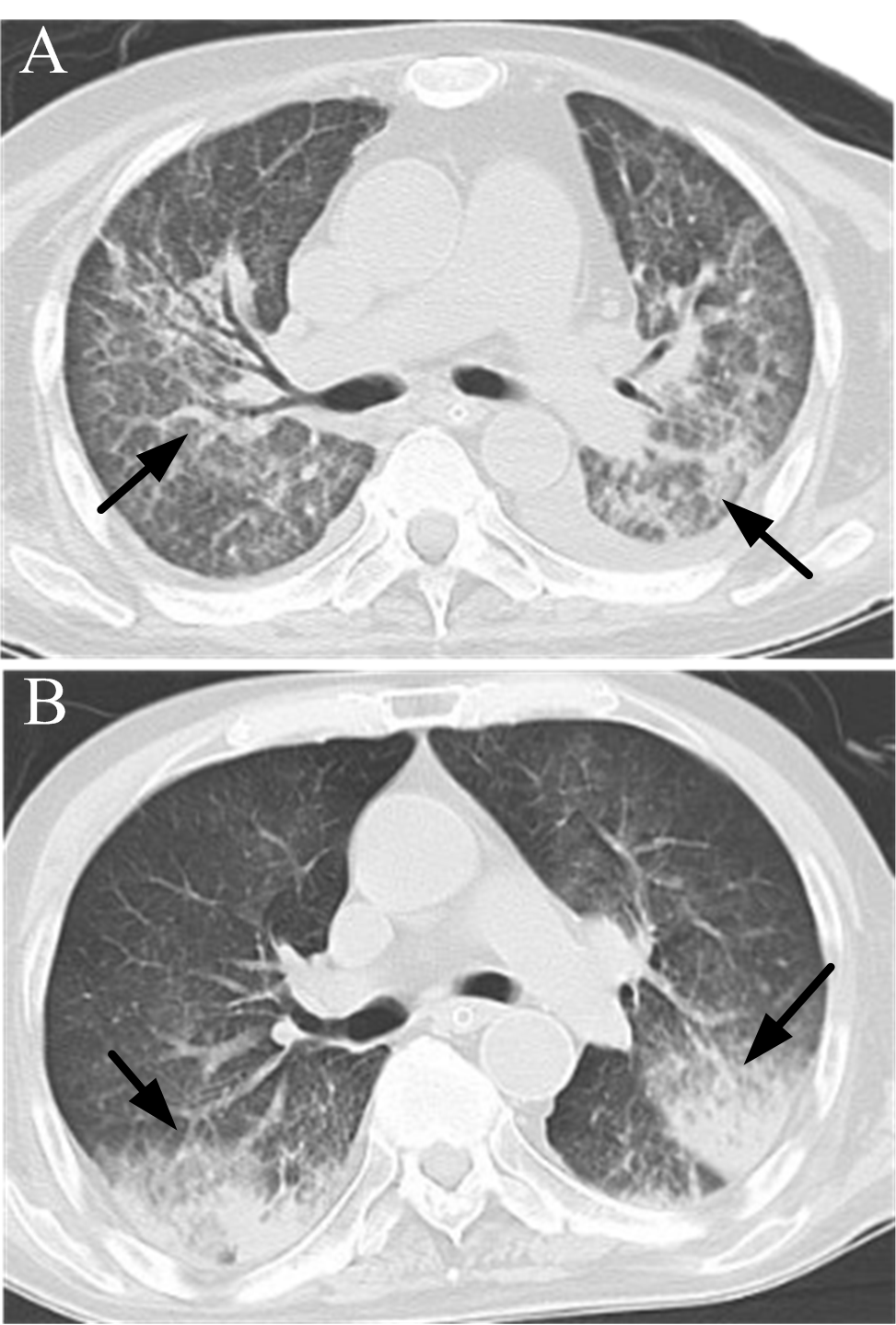
目的 总结粪类圆线虫高度感染病例的临床特征与治疗经验,为该病诊治提供参考。方法 回顾性分析2018年1月—2024年9月海口市人民医院收治的粪类圆线虫高度感染患者的临床资料,包括一般情况、临床表现、实验室及病原学检测、影像学检查、治疗方案及预后等。结果 共纳入6例患者,均为男性、农民,年龄为53~78岁;5例合并基础疾病,其中2例长期使用糖皮质激素,1例长期使用抗肿瘤药物。临床表现以咳嗽、咳痰为主,伴发热、恶心、呕吐、腹痛等,主要并发症为呼吸衰竭、脓毒性休克。实验室检查示6例患者血清白蛋白均降低,2例嗜酸性粒细胞计数升高、1例降低。6例患者痰及粪便中均检出粪类圆线虫,1例胃液中亦检出。胸部CT均提示双肺多发或散在渗出性病变。2例采用阿苯达唑联合左旋咪唑治疗,好转出院,1个月后随访治愈;4例单用阿苯达唑治疗,病情未控制,自动出院,1个月后随访死亡。结论 粪类圆线虫高度感染好发于免疫力低下人群,以消化道及肺部症状为主要表现,预后不良,联合用药治疗效果更佳,早期病原学检测与规范治疗对改善预后至关重要。

关键词: 粪类圆线虫, 高度感染, 临床特征

Abstract:

Objective To summarize the clinical features and treatment experience of Strongyloides stercoralis hyperinfection for a reference in the diagnosis and treatment of this chronic infection. Methods Retrospective analysis was conducted on the clinical data including general conditions, clinical manifestations, findings of laboratory tests, pathogen detection and imaging examination, treatment and prognosis from the patients with Strongyloides stercoralis hyperinfection admitted to Haikou People’s Hospital during January 2018 and September 2024. Results Six patients with Strongyloides stercoralis hyperinfection were included. All patients were males, farmers, aged ranging from 53 to 78 years old. Five of them had underlying diseases, including 2 cases with long-term use of glucocorticoids and 1 case with long-term use of antineoplastic agents. The clinical manifestations were dominated by cough and expectoration, accompanied by fever, nausea, vomiting, and abdominal pain. The main complications were respiratory failure and septic shock. Laboratory studies revealed that serum albumin levels were all decreased in the six patients, in whom elevated eosinophils counts were seen in two, and decreased eosinophils count was observed in one. Strongyloides stercoralis were detected in both sputum and feces in 6 patients, and also in gastric juice in 1 patient. Chest CT revealed multiple or scattered exudative lesions in both lungs in the 6 patients. Two patients were treated with albendazole combined with levamisole, improved and discharged, and were cured at 1-month follow-up. Another 4 patients received single albendazole, with failed control of the condition. They were discharged against medical advice, and died at 1-month follow-up. Conclusion Strongyloides stercoralis hyperinfection commonly occurs in immunocompromised individuals, with gastrointestinal and pulmonary symptoms as the main manifestations and a poor prognosis. Combined medication may lead to a better therapeutic effect, and early pathogen detection and standardized treatment are crucial for improving prognosis.

Key words: Strongyloides stercoralis, Hyperinfection, Clinical features

中图分类号: