热带病与寄生虫学 ›› 2026, Vol. 24 ›› Issue (2): 76-79,114.

• 结核病防控专题 • 上一篇    下一篇

2020—2024年广西壮族自治区学生肺结核流行特征及跨区域就诊情况分析

李鹃1,张影坤1,崔哲哲1,黄敏莹1,黄全将2,梁小烟1,周凌云1   

  1. 1. 广西壮族自治区疾病预防控制中心,广西南宁530028;2. 右江民族医学院公共卫生学院
  • 收稿日期:2025-10-30 出版日期:2026-04-20 发布日期:2026-05-29
  • 通信作者: 梁小烟,E-mail: lxy530028@163.com;周凌云,E-mail: 80639921@qq.com
  • 作者简介:李鹃,女,本科,主任医师,研究方向:结核病防控。E-mail: 781741559@qq.com; 张影坤,女,硕士,副主任技师,研究方向:结核病防控。E-mail: zhangyingkun1226@163.com 李鹃、张影坤同为第一作者
  • 基金资助:
    广西疾病预防控制科技项目(GXJKKJ2025YB012、GXJKKJ24Z003);广西医疗卫生重点学科建设项目(2022-06-21);广西壮族自治区疾病预防控制中心资助青年科技工作者科研课题(202506)

Epidemiological characteristics of tuberculosis and cross-regional medical treatment among students in Guangxi Zhuang Autonomous Region, 2020-2024

LI Juan1, ZHANG Yingkun1, CUI Zhezhe1, HUANG Minying1, HUANG Quanjiang2, LIANG Xiaoyan1, ZHOU Lingyun1   

  1. 1. Guangxi Zhuang Autonomous Region Center for Disease Control and Prevention, Nanning 530028, Guangxi Zhuang Autonomous Region, China; 2. School of Public Health, Youjiang Medical University for Nationalities
  • Received:2025-10-30 Online:2026-04-20 Published:2026-05-29

摘要:

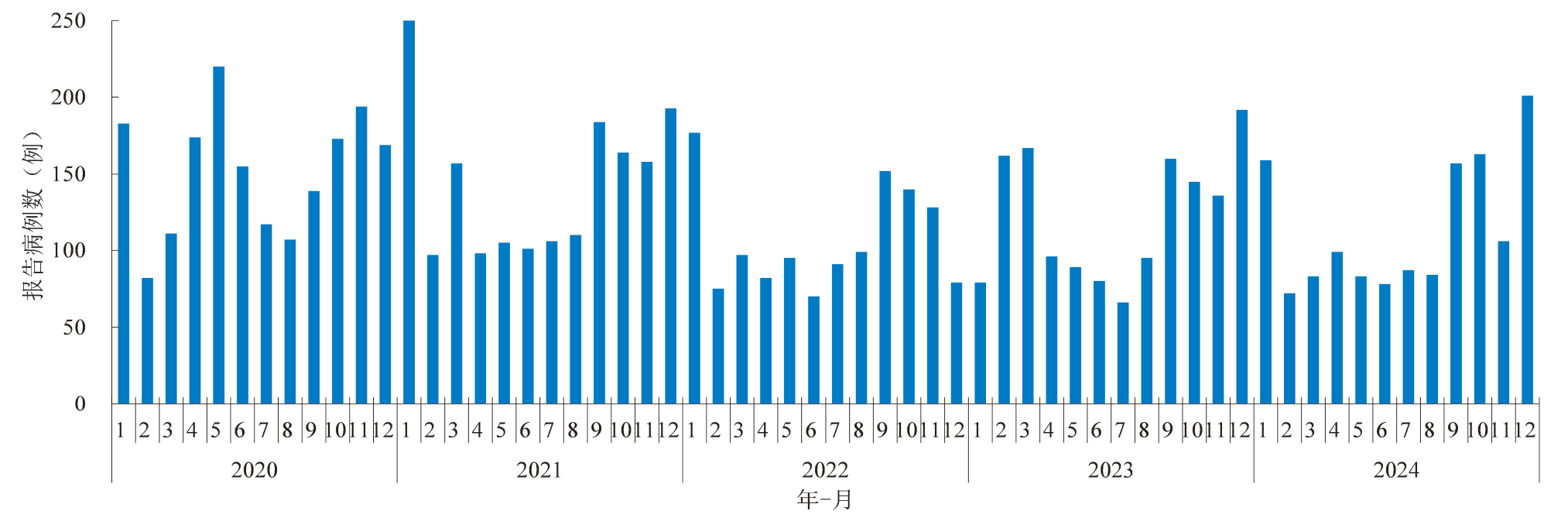
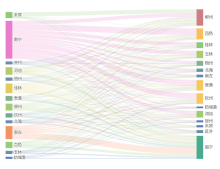
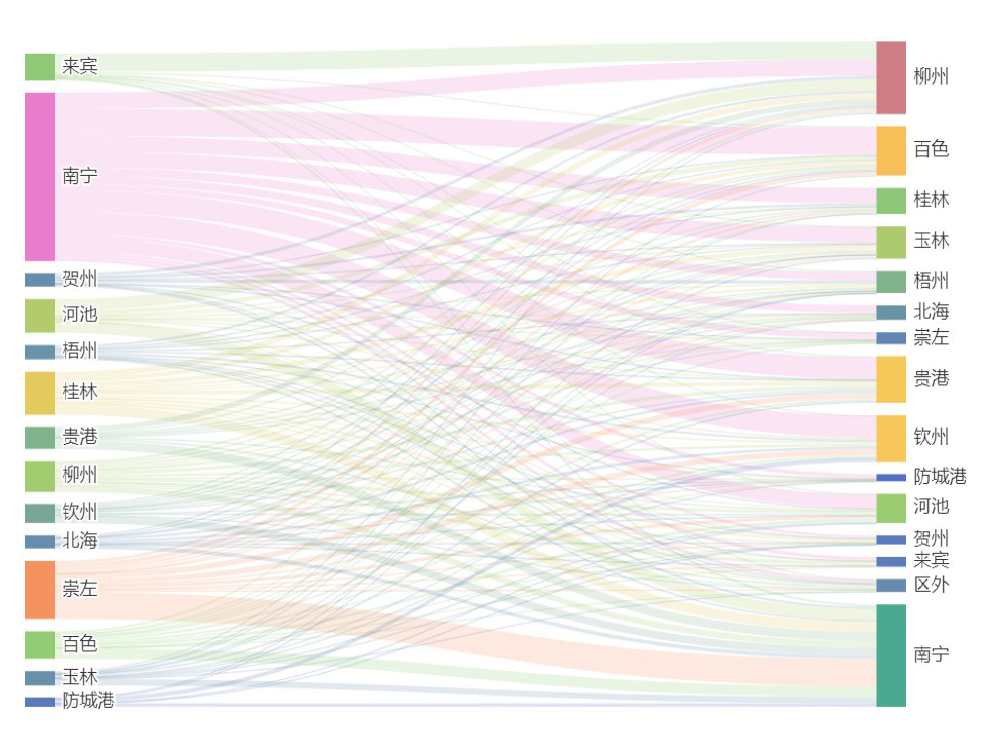
摘要:目的 分析广西学生肺结核流行特征及跨区域就诊情况,为采取有效防控措施提供参考依据。方法 通过中国疾病预防控制信息系统获取2020—2024年广西全人群及学生的肺结核报告发病情况,分析学生肺结核发病趋势、流行特征和跨区域就诊比例等。结果 2020—2024年广西共报告学生肺结核患者7 683例,年均报告发病率为13.60/10万,各年度报告发病率呈波动下降趋势,由2020年的16.78/10万下降到2024年的11.94/10万。时间分布存在2个高峰,为9—10月(占20.53%,1 577/7 683)和12月—次年1月(占22.05%,1 694/7 683)。人群分布上,男性3 909例(占50.88%)、女性3 774例(占49.12%);年龄以16~18岁报告病例数最多,占46.53%(3 575/7 683)。报告病例数最多的地市为南宁市(1 052例),报告发病率最高的地市为百色市(26.43/10万)。区外就读的学生肺结核病例以返回区内就诊为主,占79.33%(353/445);区内就读的学生肺结核病例中,本地就诊占39.42%(2 814/7 139),本市跨区域就诊占35.19%(2 512/7 139),跨市就诊占25.40%(1 813/7 139)。结论 广西学生肺结核发病整体呈波动下降态势,病例区域分布不均,跨区域就医现象突出。后续需强化日常监测与主动筛查,重点关注16~18岁高中生群体并精准施策,结合地域疫情差异优化防控举措,加强流动学生健康管理,有效控制校园结核传播。

关键词: 肺结核, 学生, 跨区域, 流行特征, 广西

Abstract:

Abstract: Objective  To analyze the epidemiological characteristics of tuberculosis among students in Guangxi and their cross-regional medical consultations for a reference in implementing effective prevention and control measures. Methods  The incidence of tuberculosis reported among the whole population and students in Guangxi were obtained from 2020 to 2024 through the Chinese Disease Prevention and Control Information System, and analyzed for the trends in tuberculosis incidence among students, epidemiological characteristics, and the proportion of patients seeking medical treatment outside their home region. Results  From 2020 to 2024, a total of 7 683 cases of tuberculosis among students were reported in Guangxi, with an average annual incidence rate of 13.60 per 100 000. The annual incidence rate showed a fluctuating downward trend, decreasing from 16.78 per 100 000 in 2020 to 11.94 per 100 000 in 2024. By temporal distribution, two epidemic peaks, namely September-October (20.53%, 1 577/7 683) and December-January of the following year (22.05%, 1 694/7 683) were observed. In terms of demographic distribution, there were 3 909 male cases (50.88%) and 3 774 female cases (49.12%). Cases aged 16-18 years occupied the largest proportion of incidence (46.53%, 3 575/7 683). The city with the highest number of reported cases and the highest reported incidence rate was Nanning (1 052 cases) and Baise (26.43 per 100 000), respectively. Among students studying outside Guangxi, the majority chose to return to their places of origin for medical treatment (79.33%, 353/445), and those who were studying within Guangxi, 39.42% (2 814/7 139) underwent medical treatment in local area, 35.19% (2 512/7 139) sought cross-district treatment within the city, and 25.40% (1 813/7 139) sought treatment in other cities. Conclusion  The overall incidence of tuberculosis among students in Guangxi exhibits a fluctuating downward trend, with an uneven regional distribution of cases and a notable trend of cross-regional medical visits. These findings suggest that it is necessary to strengthen routine monitoring and active screening of the cases, particularly the targeted measures shall be prioritized for high school students aged 16-18 years. In addition, prevention and control measures should be optimized according to regional differences in epidemic, and health management for students who move frequently should be enhanced to effectively curb the spread of tuberculosis on school campuses.

Key words: Tuberculosis, Students, Cross-region, Epidemiological characteristics, Guangxi